
Heat Pump or Furnace in Utah? How to Decide for Your Home
Heat pumps have come a long way, but Utah winters are real. Here is how a heat pump, a gas furnace and a dual-fuel system each work in a Utah County home, and how to pick the right one, from the Smith family HVAC shop in Spanish Fork.
By Steve Smith, Cozi Air · Spanish Fork, Utah · November 11, 2026
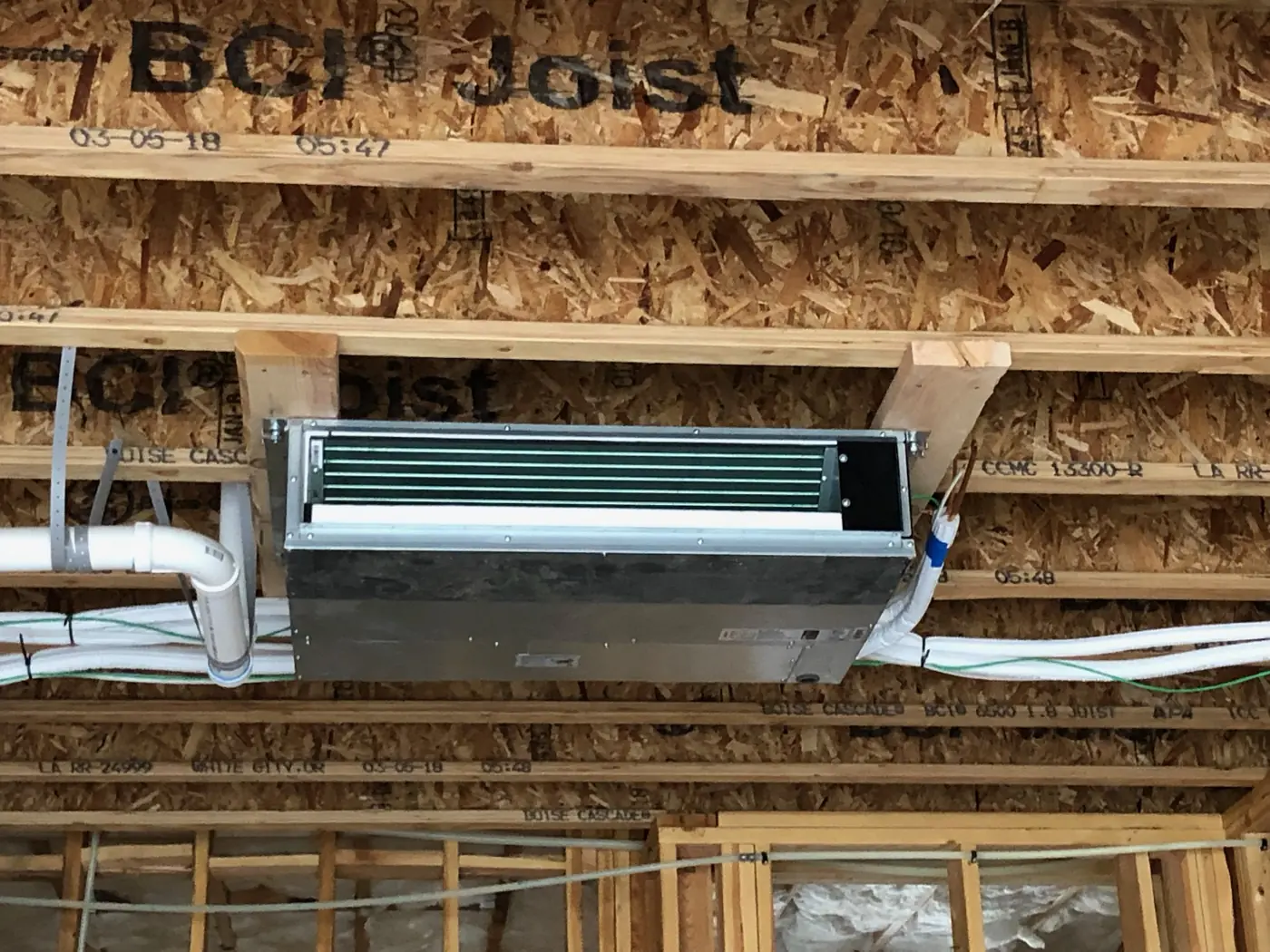
The short answer: in most Utah County homes, a gas furnace is still the workhorse for the coldest nights, a heat pump can handle a lot of the heating and all of the cooling, and a dual-fuel system that pairs the two is often the most comfortable choice. Which one is right for your house depends on your home, your ductwork and how you live, so here is how each one works.
How a gas furnace works
A furnace burns natural gas to heat air and pushes it through your ducts. It puts out strong, steady heat no matter how cold it gets outside, which is why it's been the standard in Utah for decades. A furnace only heats, so it's paired with a separate AC for summer.
How a heat pump works
A heat pump moves heat instead of making it. In summer it works like an air conditioner, pulling heat out of your house. In winter it runs in reverse, pulling heat from the outdoor air and bringing it inside. One system heats and cools. Modern cold-climate heat pumps keep working well into freezing temperatures, though they work harder as it gets colder.
Dual fuel: a heat pump and a furnace together
A dual-fuel system uses a heat pump for cooling and for heating on milder days, then hands off to the gas furnace when it gets really cold. You get the heat pump's efficiency most of the year and the furnace's strong heat on the coldest January nights. For many Utah homes this is the sweet spot.
Ductless and ducted mini-splits
Mini-splits are heat pumps too, built for a single room or zone. They're a great fit for a bonus room, an addition, a garage shop or a basement that never gets comfortable, without running new ductwork through the whole house.
What should decide it for your home
- Your ductwork. A heat pump moves a lot of air, so duct size matters. We check it and build any fittings in our own sheet metal shop.
- The age of what you have. If your AC is old and your furnace is fairly new, a heat pump in place of the AC can be a smart move. If both are old, a full dual-fuel change-out is worth a look.
- Gas at the house. No gas line changes the math toward a heat pump.
- Rooms that never feel right. A mini-split can fix one problem room on its own.
Not sure which fits your house? Call or text Steve at 801-361-4491. He'll look at your home and ducts and tell you straight which option makes sense, with good, better and best choices and a written price before anything happens. We're a Bryant and Carrier dealer and can get any major brand.
Every Cozi Air install is guaranteed for a full year on top of the manufacturer warranty, and your first year of maintenance is free with a new system. Low monthly payments are available.
Questions homeowners ask
Do heat pumps work in Utah winters?
Modern cold-climate heat pumps keep heating well below freezing, though they work harder as it gets colder. Many Utah homes pair one with a gas furnace (dual fuel) so the furnace takes over on the coldest nights.
What is a dual-fuel system?
A heat pump and a gas furnace working together: the heat pump cools in summer and heats on milder days, and the furnace takes over when it gets very cold.
Can I add a heat pump to my existing furnace?
Often, yes. If your furnace is in good shape and your AC is aging, replacing the AC with a heat pump can turn your setup into dual fuel. Steve can tell you if your system is a match.
Is a mini-split a heat pump?
Yes. Ductless and ducted mini-splits are heat pumps sized for one room or zone, great for additions, bonus rooms and basements.
Who installs heat pumps and furnaces in Utah County?
Cozi Air, the Smith family shop in Spanish Fork since 1938, serving all of Utah County, south Salt Lake County and down to Nephi. Call or text 801-361-4491.